
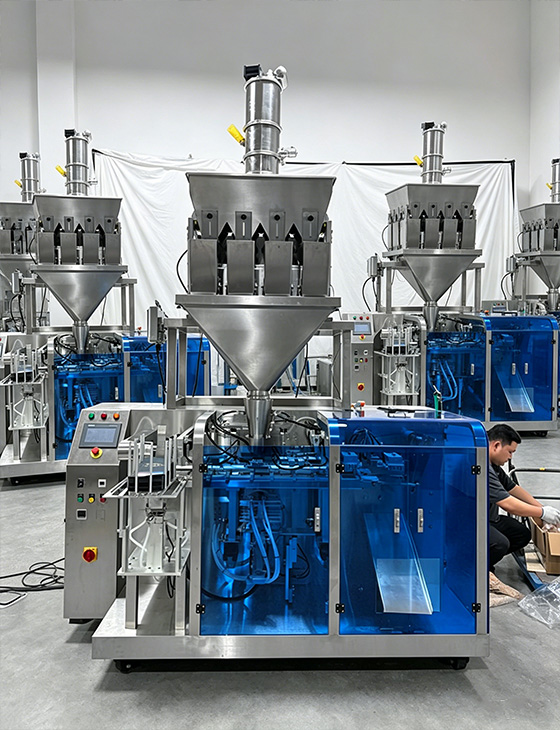
What an acceptance inspection confirms
A filling machine acceptance inspection is the set of checks a buyer agrees in advance and runs against the finished machine before accepting it. It compares the machine with the written configuration and agreed criteria, not with a demonstration unit, a brochure image or a workshop photo. Many buyers call it a factory acceptance test; whatever the name, its value comes from criteria written down before the order is confirmed.
This page explains what to put in that checklist. It is a buyer's planning guide rather than a certified test protocol, and each project's criteria are confirmed in its proposal.
Freeze the configuration first
Every check needs a reference document. The proposal should state the dosing method, the product-contact path, pack handling, the sealing arrangement, utilities, and each included option or change part. If the configuration changes during negotiation, ask for a revised document before the checklist is finalized, or you may end up inspecting against an out-of-date description.
A certificate or photograph shown during early discussions does not describe the machine you will receive. Only the configuration document for your order does.
Checklist areas and measurable wording
Adjust the table to your product and pack. The right-hand column shows the kind of wording that turns a general check into one that can be passed or failed.
| Area | What to write down |
|---|---|
| Dose | Net fill of a stated number of packs per lane, on a stated scale, with the tare method recorded |
| Seal | Visual check of the seal area plus a squeeze or leak check on a stated sample; no product in the seal |
| Cutoff | No drips or stringing onto the seal area over the run |
| Dosing caps | Fill height at or below the rim; foil flat with no product trapped under it |
| Output | Acceptable packs counted over a timed run, with stops and rejects recorded |
| Operation | Changeover, cleaning access, guard interlocks and emergency stop demonstrated |
| Delivery scope | Change parts, spares, manuals, settings sheet and drawings checked against the proposal |
Fix the sampling and measurement method
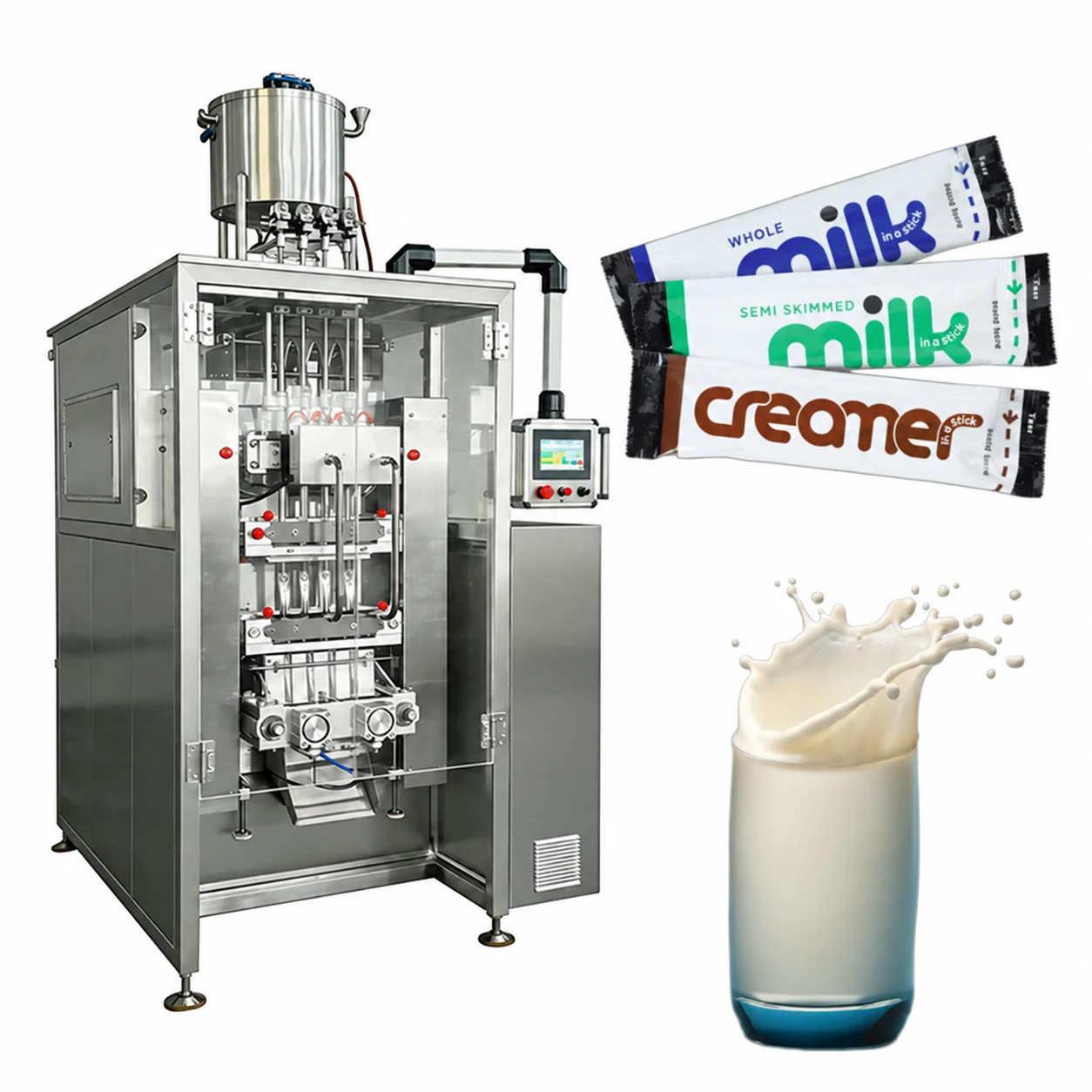
Numbers only mean something when the method is fixed in advance. State the scale and its resolution, how packaging tare is handled, how many packs are taken from each lane, and at what intervals. Sample once the machine is running steadily and again just after a restart, because the first packs after a stop often behave differently.
Use the production material and packaging named in the proposal. If a substitute is used, record the difference, since another blend or film can change the result under the same settings. Note the batch, the room conditions for hygroscopic powders, and the product temperature for warm-filled liquids.
Include the conditions where machines usually fail
An inspection that only watches steady running misses the moments when filling problems usually appear. Build a few deliberate stress checks into the run and record their results separately.
- A restart after a planned stop, with the first packs weighed and inspected on their own
- A film roll change or splice passing through the sealing jaws
- A hopper run down toward its low level, to see whether powder bridging or a falling liquid head shifts the fill weight
- For warm-filled products, a check near the low end of the agreed filling temperature, where drips and stringing tend to increase
- For dosing caps, components from more than one molding batch, since small cavity differences can push a fill above the rim
Who measures, who signs, and what happens on a failure
Agree whether your team, the supplier's team or both take the measurements, and who signs each line. A shared record with photos of the setup and the sample packs avoids later disagreement about what was seen.
If an item fails, the checklist should already say what happens next: an adjustment and re-check, a documented deviation that both sides accept, or a hold on shipment until the item passes. Deciding this under delivery pressure rarely produces a good outcome.
Documents for your destination
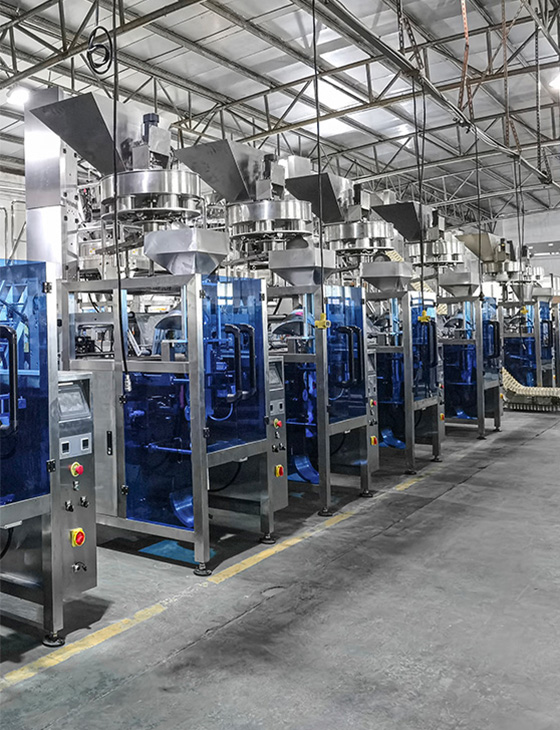
Tell the team your destination country and product category early, and list the documents your importer, customs broker or auditor expects. Applicability depends on the country, the product and the exact machine, so each required document belongs as a line item in the proposal. This site does not claim universal certification, sterility, pharmaceutical qualification or a guaranteed shelf life.
Keep the record as your baseline
File the signed checklist, measurement sheets, settings and photos with the machine documents. When results drift after a product change or maintenance, compare them with this baseline rather than with what people remember from delivery.
Common questions
What should a filling machine FAT checklist include?
Net-fill weights by lane with a stated method, seal and cutoff checks, acceptable output over a timed run, changeover and cleaning access, safety functions, and a delivery-scope check of change parts, spares and manuals. Each line needs a measurable criterion and a named person who signs it. Agree the list before the order is confirmed.
How many packs should be weighed during a filling machine acceptance test?
There is no universal number; agree it in the checklist. State how many packs are taken from each lane, at what intervals, and on which scale. Include samples from steady running and from just after a restart, and record every weight rather than only an average, so the spread between packs remains visible.
What happens if a filling machine fails an acceptance check?
That should be decided in writing before the inspection. Typical options are an adjustment followed by a re-check, a documented deviation both sides accept, or holding shipment until the item passes. Record the failed result, the change made and the new result so the history stays with the machine file.
Does a machine certificate cover my country's requirements?
Not necessarily. Whether a document applies depends on your destination, product category and the exact machine configuration. Name every required document in the proposal and confirm its applicability for your order before purchase. A certificate shown for a different machine or project does not establish compliance for yours.
Updated: