
Explore the options
Food & Beverage Filling
Match a food and beverage filling machine to your product: liquid pouches, sauce sachets, weighed dry-food packs or powder stick packs, with feeding checks.
Sauce & Condiment Filling
What a sauce filling machine must handle for ketchup, dressing, honey and chili sauce: viscosity, particles, temperature, supply and realistic changeovers.
Personal-Care Liquid & Paste Filling
Plan a cosmetic and personal care filling machine for shampoo, body wash and lotion, covering foaming, dose shut-off, sachet appearance and cleaning.
Supplement Powder Filling
Plan supplement powder filling for collagen, protein and drink mixes in stick packs or dosing caps, with blend feeding, dust control and sampling checks.
Find a process that fits both the material and the package
This page groups filling machine applications by product type, connecting product behavior and packaging choices with the questions needed to define equipment. Choose a starting category from food and beverages, sauces and condiments, personal-care products or supplement powders. Within each category, the intended product and pack determine which process deserves a closer review. A shared industry label does not mean that two formulations can run through an identical configuration.
Begin with the finished item you want to produce: a weighed food pouch, a sauce portion, a shampoo sachet or a powder stick pack. Then describe the material as it enters the equipment. These two pieces of information help our team narrow the discussion to the relevant feeding, dosing and packaging family before considering dimensions, options and output requirements.
Foods and beverages span several equipment families
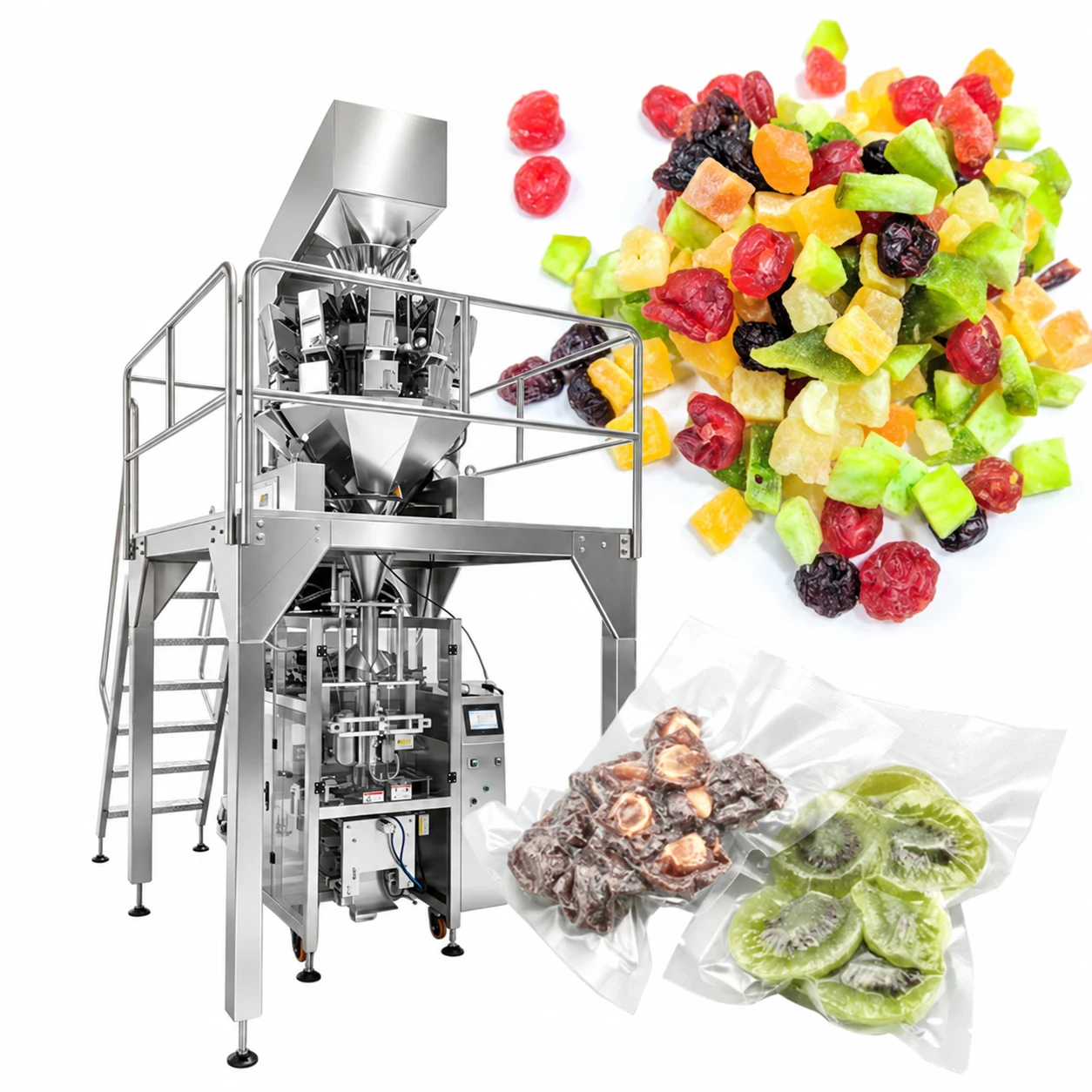
The food category includes liquid pouch applications, dry-food weighing and powder portions. Dry foods such as nuts or dried fruit may need a review of feeding, weighing, transfer heights and product damage. Liquid foods raise different questions around flow, foaming, supply conditions and the filling opening. For drink powders, consider how the blend reaches the dosing point and how the package is formed and sealed.
Use the food application page to organize those distinctions before selecting a machine family. Identify any packaging features such as a zipper, valve or gas-flush requirement and include them in the scope discussion. Such features have interfaces and review conditions of their own. A clear description of the product path is a better starting point than comparing the largest output number printed beside an equipment image.
Sauces and condiments need attention from hopper to seal
The sauce category focuses on pumpable products such as ketchup, dressings and other liquid or paste condiments. Useful initial details include filling temperature, separation while waiting, suspended pieces and behavior at the end of a dose. These observations help organize a discussion of the supply hopper, valve, outlet and packaging process. Include the intended portion and any requirement to preserve particle appearance.
The sauce page also distinguishes film-formed sachets from premade pouches. The two formats involve different handling and tooling, so provide a drawing or a physical sample as early as practical. Heating, agitation and other supply options should be discussed against the recipe's needs. Evaluate dose and finished-pack condition together rather than assuming that a suitable filling principle automatically resolves the sealing process.
Personal-care portions connect formula handling with presentation
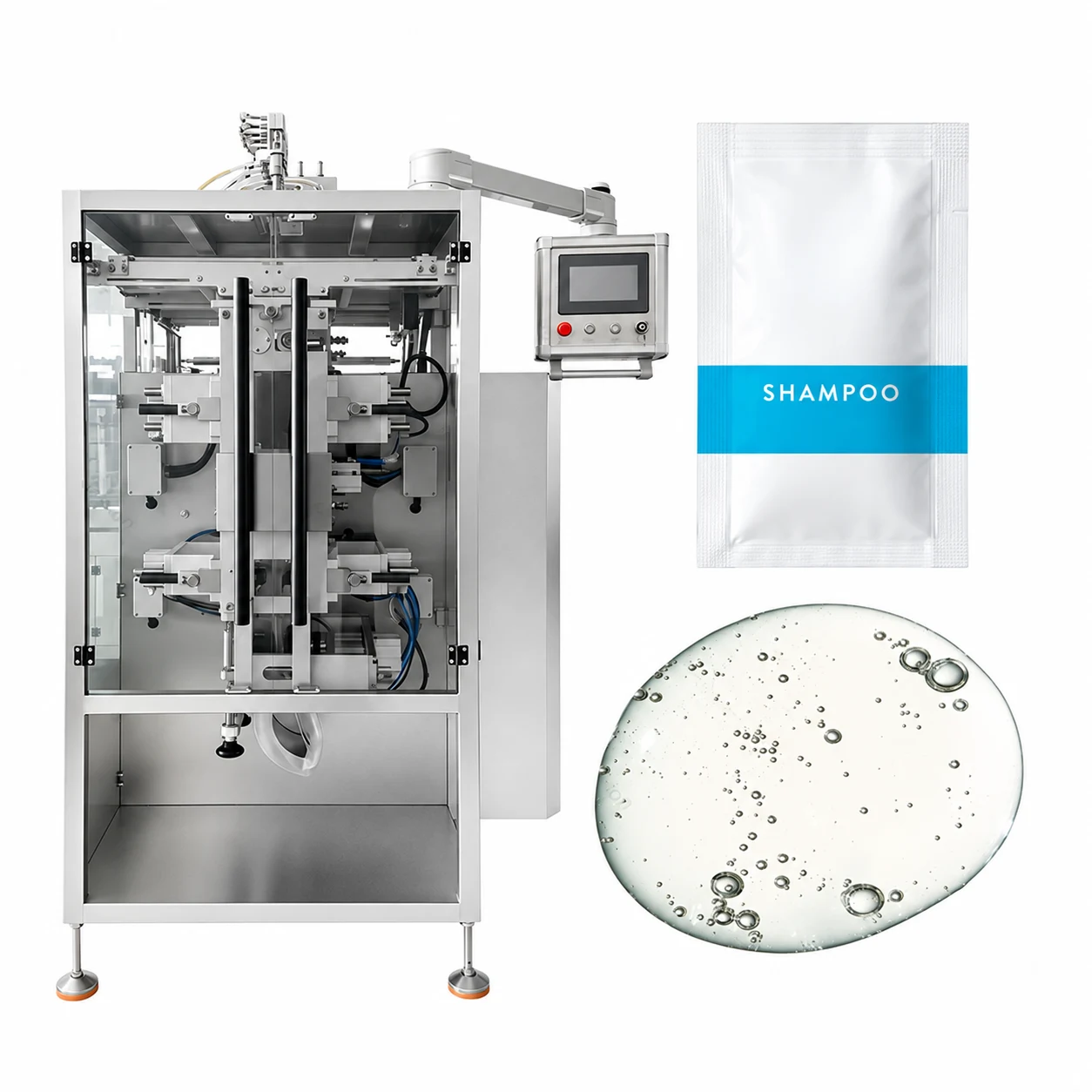
Shampoo, body wash, conditioner and lotion projects combine material-handling questions with expectations for the finished sample or portion. Foaming, trailing product, formula changes and packaging appearance can all be useful topics for a trial. Describe where those behaviors occur in the current process and what the production team needs to observe in an alternative arrangement.
The personal-care page starts with sachet and pouch applications. It covers packaging drawings, contact-path review, cleaning access and frequent changes of formula or artwork. If the intended package is a bottle, jar or tube, state that separately because container handling and closing may change the scope substantially. The purpose of the application review is to establish a defined product and package combination that can support a useful equipment proposal.
Supplement powders require a blend-specific review
For supplement powders, the complete blend is the relevant starting material. Collagen, protein and drink-mix formulations may need different feeding and dosing arrangements even when their retail portions appear similar. Include observations about settling, clumping and dust, and explain how the material is stored and transferred. The supplement application page helps turn those observations into questions for a representative sample assessment.
Stick packs and dosing caps are separate packaging routes: a stick pack is formed from film around the powder, while a dosing cap is a rigid closure whose cavity is filled and then sealed. A multi-lane stick-pack project needs film and lane-sampling details, while a dosing cap requires component drawings, cavity dimensions and a sealing-interface review. Keep product quantity, package condition and traceability requirements in the same brief. An equipment configuration describes a packaging process; it is not a substitute for the product team's formulation and release decisions.
Compare packaging routes before comparing machine size
Film-based systems form the package during production; premade-pouch systems handle a supplied bag. Specialized dosing caps introduce their own component-feeding and sealing sequence. Decide which route matches the intended finished item, then gather the drawings and samples that describe it. Include the smallest and largest formats planned for startup so that the required tooling and change parts can be discussed explicitly.
A proposed adjustment range should be translated into practical actions. Ask which changes use settings, which need repositioning and which need replacement parts. Include preparation, cleaning and inspection when considering a format change in the production schedule. This makes flexibility a defined project requirement rather than a broad claim that one machine can handle every product or package in a category.
Bring sample questions and line interfaces into the same plan
A useful sample review begins with a specific question, such as whether a powder feeds consistently, a sauce leaves residue near the seal or a dry product is damaged during transfer. Agree the material, packaging, measurements and operating conditions needed to address that question. If substitutes are used, record the difference and decide which uncertainties remain before making a configuration decision.
At the same time, draw the equipment boundary. Identify who supplies product feeding, coding, inspection, pack collection and downstream packaging. Include utilities, access and transfer points in the installation discussion. A trial of the central machine and a plan for the complete line provide different information; both are useful when the goal is acceptable finished packs over a defined production period.
Start with a short, organized application inquiry
Send the product description, target quantity and unit, intended packaging format, drawings or photographs, required output and destination. Add the normal material condition and any behavior you want to investigate. Identify equipment already at the site and additional recipes or formats that must be included. If a detail is still under development, mark it as provisional rather than filling the gap with an assumption.
Our team can use this brief to suggest which equipment family to discuss and what samples or drawings are needed next. Choose an application page above for a more focused checklist, explore the related machine families, or use the WhatsApp inquiry link to share your starting information. The first practical outcome is a shared scope that can support a configuration review, followed by a proposal based on the agreed requirements.
Common questions
What products can an automatic filling machine handle?
The applications covered here are food and beverages, sauces and condiments, personal-care liquids and pastes, and supplement powders. Across them, the equipment handles liquids, pastes, powders and discrete dry pieces in pouches, sachets, stick packs and dosing caps. Suitability for a specific product is confirmed by reviewing its behavior and package, not by the category name.
Which application page should I start with?
Start with the page closest to your product and finished package. If a product crosses categories, such as a drink powder or a sauce sold in pouches, describe its physical condition and pack format. The equipment discussion follows how the material behaves and how it is packed, not the industry label attached to it.
Can I inquire while the packaging is still in development?
Yes. Share the current drawing or concept and mark which dimensions or materials may still change. The team can then separate questions that can be reviewed now from decisions that must be fixed before tooling and configuration approval, so packaging development and equipment selection can move forward together.
Updated: