
Define an acceptable pack before setting a speed target
Filling accuracy and production speed describe different parts of a packaging process. A filler can reach a high cycle rate while producing packs that fail the agreed weight, seal or presentation checks. It can also deliver consistent doses at a rate that does not meet the production schedule. Start by defining an acceptable finished pack and the number of acceptable packs required over a stated production period. Those definitions give a machine review a clear objective.
Record the product, temperature or material condition, packaging format, target quantity and measurement method. Then identify the quality checks that determine whether a finished pack is accepted. For a sauce sachet, these may include net content, seal condition and coding. For a powder stick pack, also discuss product around the sealing area. Keep these requirements together so that a speed improvement is evaluated against the same finished-pack criteria used at the original setting.
Distinguish target error from variation between fills
Ask what a quoted accuracy figure measures. It might describe the difference between a sample mean and a target, a range observed during a demonstration, or a stated tolerance under particular conditions. These are different quantities: bias is the gap between the average fill and the target, while variation is the spread of individual fills around their own average. Record whether the number is expressed in grams, millilitres or a percentage, and ask for the basis of any percentage. A number without the target dose, product, sample count and operating conditions is difficult to interpret.
A hypothetical set of fills can be tightly grouped around 10.2 grams when the intended target is 10.0 grams. That indicates a consistent offset in this example, even though the readings are close to one another. Another set may average 10.0 grams but vary widely from pack to pack. Keep the individual readings as well as the mean, minimum and maximum. The examples illustrate why changing a target setting and investigating unstable filling are different tasks; they do not specify acceptance limits.
Agree how net quantity will be measured
Choose a measurement method suitable for the dose and the purpose of the check. If using a balance, document its identification, readability and verification procedure with the person responsible for quality measurements. Establish how package tare is determined and how samples are handled. If the target is stated as volume but the check uses mass, agree how the conversion will be established for the product and its temperature. Do not silently treat one gram as one millilitre.
Write the method down before a trial begins. Include sample identification, the order of weighing, the calculation used and what happens when packaging or product is lost during handling. Record the units in every results column. If the packaging itself varies, consider how that variation affects a gross-weight check. A repeatable measurement method helps distinguish a change in the filling process from a change in the way the finished packs were assessed.
Sample every active lane and more than one moment
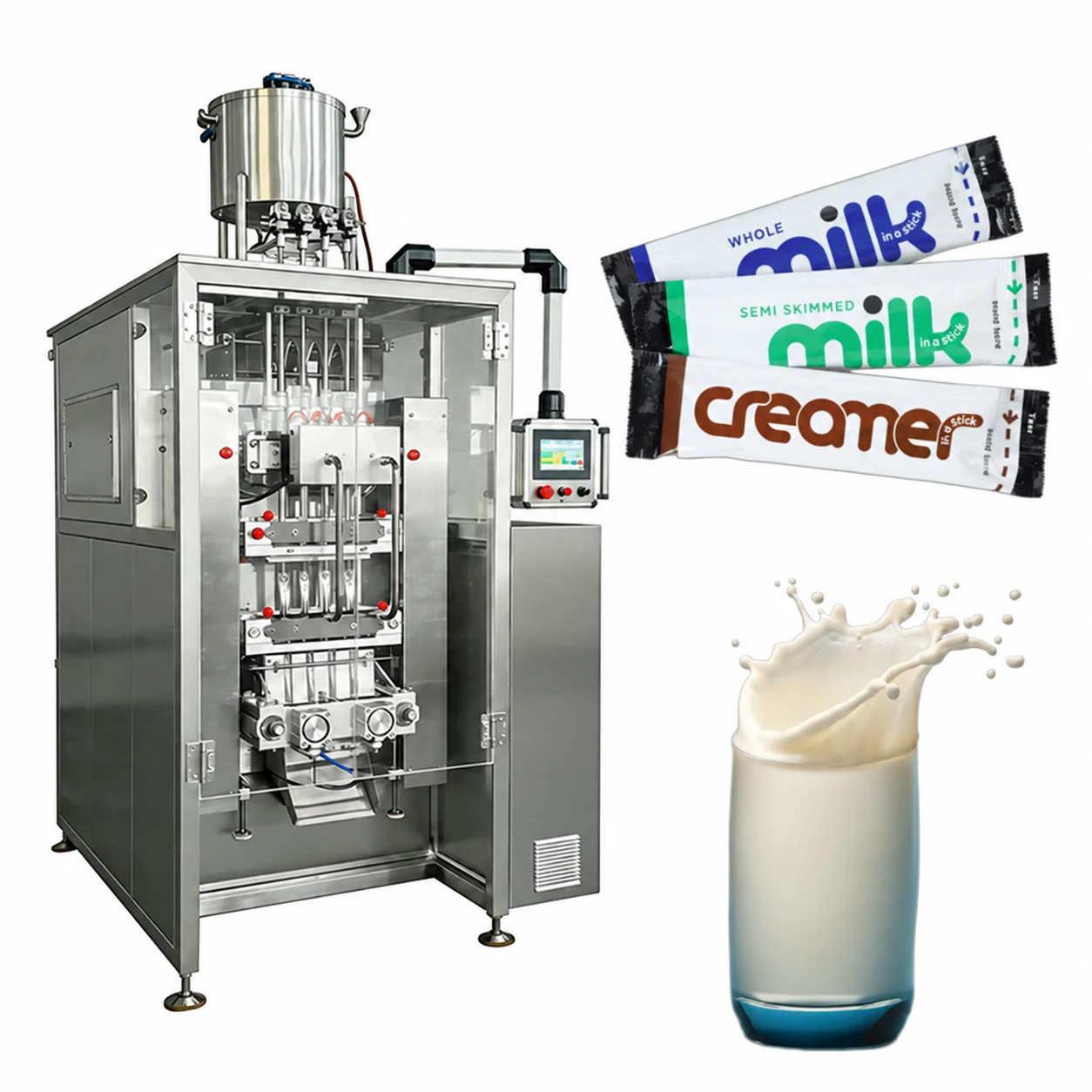
A multi-lane machine should be reviewed by lane as well as by combined output. Mark samples so that each result can be traced to its lane and collection time. An overall average can conceal one lane running above the target while another runs below it. Agree a sampling plan that includes stable operation and relevant events such as startup, product replenishment or a restart. The number and timing of samples should reflect the purpose of the assessment.
Use a simple results sheet with columns for lane, time, target, measured quantity, material condition and observations. Record adjustments when they occur instead of combining readings from different settings without explanation. If a lane is disabled, note that fact when reporting total output. After a change, repeat the agreed checks so the team can compare like with like. This gives the supplier and production team a useful record for investigating an issue or confirming the next trial condition.
Record the material and feeding conditions
A dosing result belongs to the conditions under which it was measured. For liquids and sauces, record temperature, visible foaming, separation and any pieces in the product. Note how product reaches the hopper and what happens during replenishment. For powders, record the product batch, visible flow behavior, dust and any settling observed. For dry foods, note mixed particle sizes, stickiness and breakage. These observations help the team decide which variable to investigate when results change.
Do not adjust several settings at once during a diagnostic trial. Keep a record of the original condition, change one agreed variable and collect another identified sample set. For example, a team investigating a result after hopper replenishment should record the timing of the refill and the readings before and after it. The next action should follow the evidence. A generic instruction to slow down the machine may hide a feeding issue that still needs to be addressed.
Separate cycle rate, gross output and accepted output
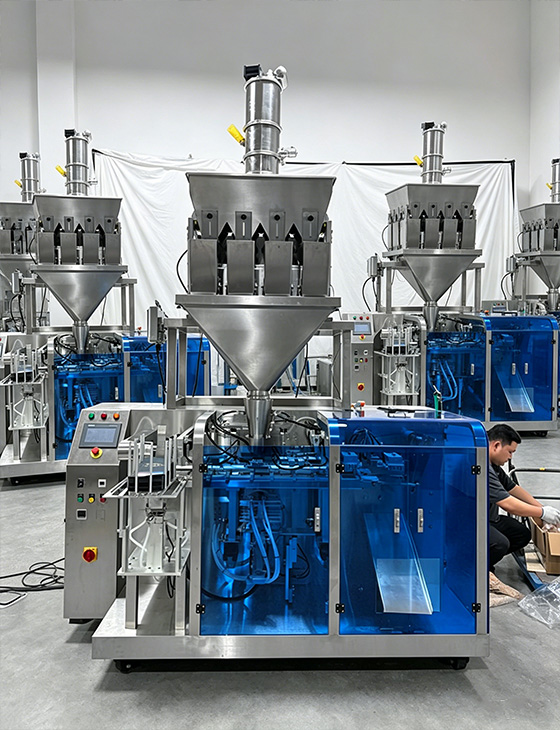
Ask where an output number is measured. Cycles per minute describe a repeating machine action; packs per minute describe units produced. On a multi-lane system, the number of active lanes affects the conversion. Gross output counts everything made at the chosen measurement point, while accepted output excludes packs that fail the agreed checks. A downstream station may introduce further losses after the filling machine has discharged its packs.
For an original planning example, a hypothetical four-lane system at 30 cycles per minute has a gross reference rate of 120 packs per minute while running at that condition. It does not follow that the line delivers 7,200 acceptable packs every hour on the clock. Stops, lower running rates and rejects change the result. State the start and end of the observation period, keep output counts from a defined point, and distinguish the observed rate from any theoretical reference.
Use OEE to separate three types of production loss
Food Engineering's interview with an OEE consultant explains three components of overall equipment effectiveness: availability, performance and quality. For a filling-line review, these distinguish lost running time, slower production while running and rejected output. OEE is calculated by multiplying the three ratios. Agree the planned production window, reference rate and counting rules before comparing two results; otherwise similar-looking percentages may describe different operating conditions.
Using the hypothetical reference rate of 120 packs per minute above, assume 85% availability, 90% performance and 98% quality over the same planned period. Their product is 74.97% OEE. Multiplying 120 by 0.7497 gives about 90 acceptable packs per minute averaged over that planned time. This is our illustrative arithmetic, not measured equipment performance or an industry target. Keep the component values visible: the same overall score can call for different actions depending on which loss is largest.
| Measure | Question for the trial record |
|---|---|
| Availability | How much of the agreed planned period was running time? |
| Performance | How did the gross count during running compare with the reference rate? |
| Quality | What share of the produced packs passed the agreed checks? |
| Accepted output | How many good packs reached the agreed output point during the period? |
Look beyond the dosing unit for bottlenecks
A complete packaging line includes more than the filler. Product supply, bag opening or film handling, sealing, coding, inspection and downstream collection can each interrupt output. Observe where packs accumulate and where machines wait for the next item. Record the reason and duration of interruptions using categories the operators understand. Do not assign every lost minute to the dosing mechanism merely because its screen shows the line's speed setting.
Review the sequence with the people responsible for the connected equipment. A transfer can require changes to timing, guides or operating procedures, while repeated material shortages may need a different replenishment plan. After an agreed adjustment, measure the same output point and quality criteria again. Keep the result tied to the tested product and format. This avoids turning an improvement on one pack into an unsupported promise for every product the line might eventually handle.
Write an acceptance trial that can be repeated
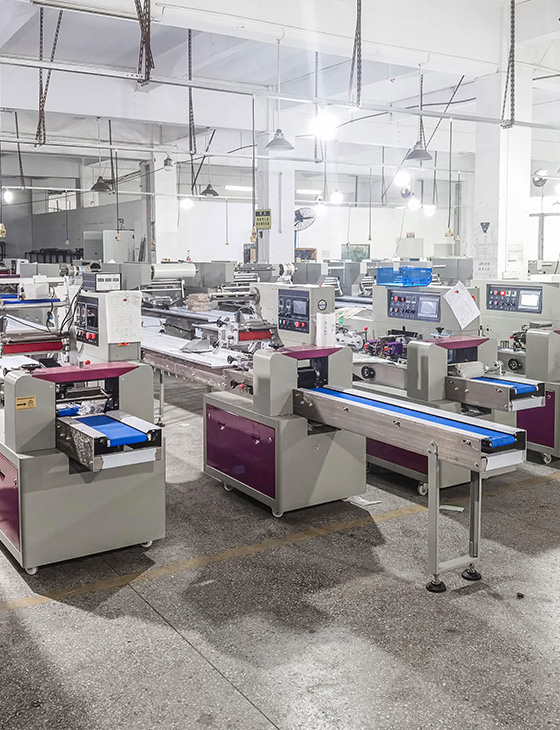
Before a demonstration, agree which product, packaging and machine configuration will be used. Define the trial period, target dose, operating rate, sampling method, required pack checks and reporting format. Identify who supplies the material and who records the results. Include how startup, interruptions, adjustments and rejected packs will be documented. A short video can illustrate operation, but it cannot replace the underlying measurements needed for a defined acceptance decision.
When the demonstration ends, retain the readings, counts and event log together with the configuration record. Identify any substitutions or untested formats and decide what remains open. If the results do not meet the agreed criteria, document the proposed action and the conditions for a repeat trial. This is a project-specific technical review; it does not establish regulatory compliance, shelf life or suitability for a different formulation without the relevant additional work.
Keep the operating record useful after handover
Prepare a concise routine for startup, product changes and checks during production. Record approved settings, the associated product and pack, measurement instructions and the response to an out-of-range observation. Make the records accessible to the operators who need them. When parts, recipes or materials change, retain enough detail to compare later results with the original operating condition. A useful record explains what was running, not simply that a shift achieved a particular percentage.
For an equipment inquiry, share the target fill quantity, the measurement basis, the acceptable-output requirement and any existing trial data. If you are troubleshooting a current process, include lane-specific results and a short description of interruptions instead of only the fastest speed seen on the screen. Our project contact route can start a discussion about the appropriate dosing and packaging family. The next step is to define the conditions that a proposed configuration should be reviewed against.
Common questions
What does filling accuracy mean?
Filling accuracy describes how close filled quantities are to the target and how much they vary from pack to pack. Those are two different properties: fills can cluster tightly around the wrong value, or average the target while varying widely. Any accuracy figure should state the target, units, product, sample count, operating conditions and measurement method.
Does a faster cycle rate mean more saleable packs?
No. Cycle rate counts machine actions, while saleable output counts accepted packs. Active lanes, stops, slower running, rejects and downstream capacity all sit between the two. Measure accepted packs at an agreed point over a defined production period, and treat any theoretical reference rate as a planning ceiling rather than a delivered result.
How is OEE calculated for a filling line?
OEE is availability multiplied by performance multiplied by quality. For a filling line, these capture lost running time, slower production while running and rejected packs. In this guide's hypothetical example, 85% availability, 90% performance and 98% quality give 74.97% OEE; that figure is illustrative arithmetic, not a machine rating or an industry target.
Updated: