
What to settle before the machine ships
Filling machine installation and training go more smoothly when site readiness, commissioning responsibilities and operator topics are agreed before the equipment leaves the workshop. This page sets out what to put in writing: who positions and connects the machine, how startup is supported, what counts as finished commissioning, and what your operators should be able to do afterward.
Support is scoped per project. Installation assistance may be remote guidance or an agreed visit, depending on the equipment, the destination and the commercial terms. Confirm the method, timing, language and cost in the proposal rather than after the machine arrives.
Site readiness checklist
Many startup delays trace back to the site rather than the machine. Check these items against the final layout drawing before delivery.
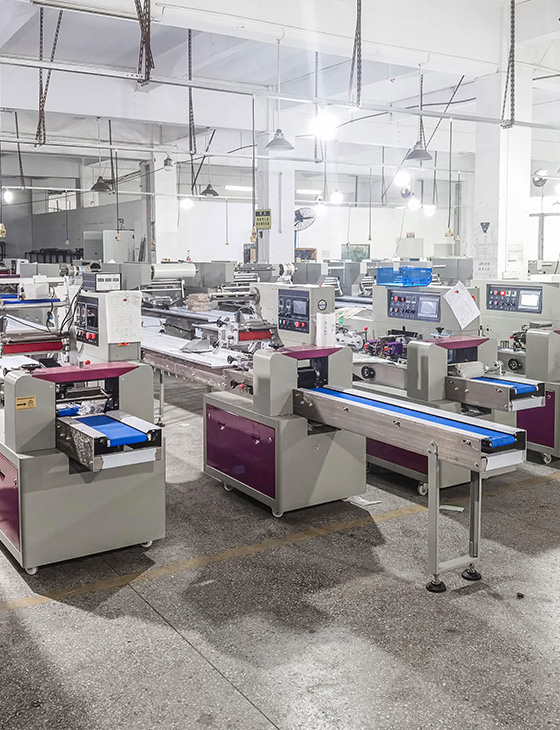
- Floor space that allows for operator access, guard-door swing, film-roll or component loading, and the route used to bring the machine in
- Electrical supply matching the voltage, phase and frequency on the final drawing, with the isolation point agreed
- Compressed air at the stated pressure and flow, with drying and filtration suited to any air that reaches product-contact areas
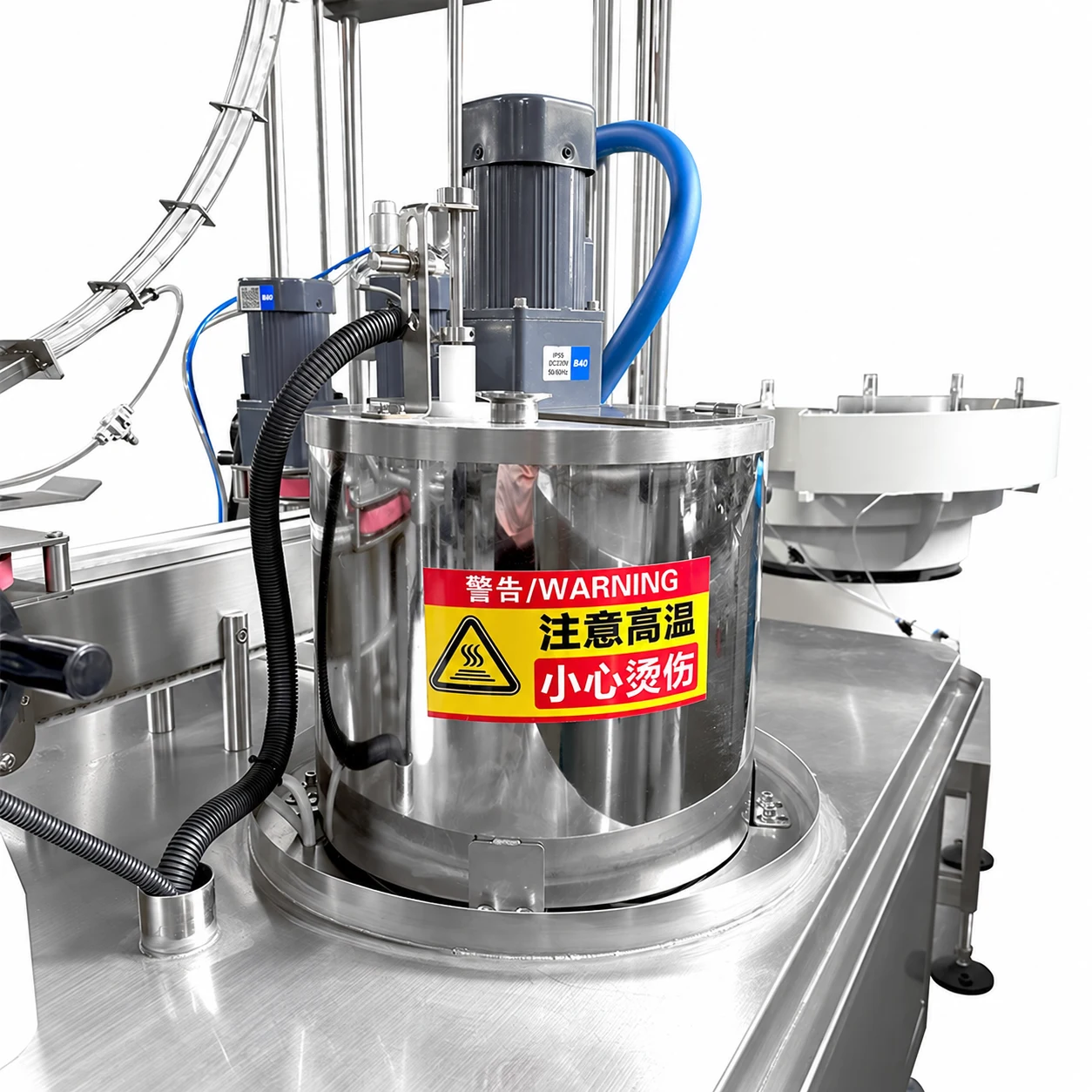
- For warm-filled products such as honey or some sauces, the heating connection and a safe routine for working near hot surfaces
- Production material and packaging for startup checks, stored at normal production conditions
- Named people on your side for lifting, utilities and any local electrical work
Remote or on-site commissioning
If commissioning is remote, agree the practical details before shipment: the video-call tool, who holds the camera at the machine, and how photos, settings screenshots and parameter files are exchanged. A second person who can film while an operator adjusts saves a great deal of time. Fix overlapping working hours for the first days of startup, since time zones can otherwise stretch a simple adjustment across two days.
If a visit is agreed, confirm what must be ready before anyone travels, what the visit covers, and what happens if utilities or materials are not in place on arrival. In both cases, write the arrangement down so both teams work from the same expectation.
Define when commissioning is complete
Commissioning means setting up, adjusting and checking the machine at your site against agreed startup criteria. Define completion in measurable terms, for example a stated number of consecutive acceptable packs on your own product and film, with fill weights recorded by lane and seals checked. Without that definition, the end of commissioning becomes a matter of opinion.
Record the final settings, recipe values and change parts in use, and file them with the acceptance records. Later troubleshooting is far easier against that baseline than against memory.
An operator training agenda based on a real shift
Training should follow a working shift, not a tour of the machine. Ask for hands-on practice on each item below with the operators who will run it, and check which topics the standard session covers and which need a scheduled follow-up.
- Startup, shutdown and emergency stop, including how to recover after a stop in mid-cycle
- Recipe selection, and which settings operators may change versus those reserved for maintenance staff
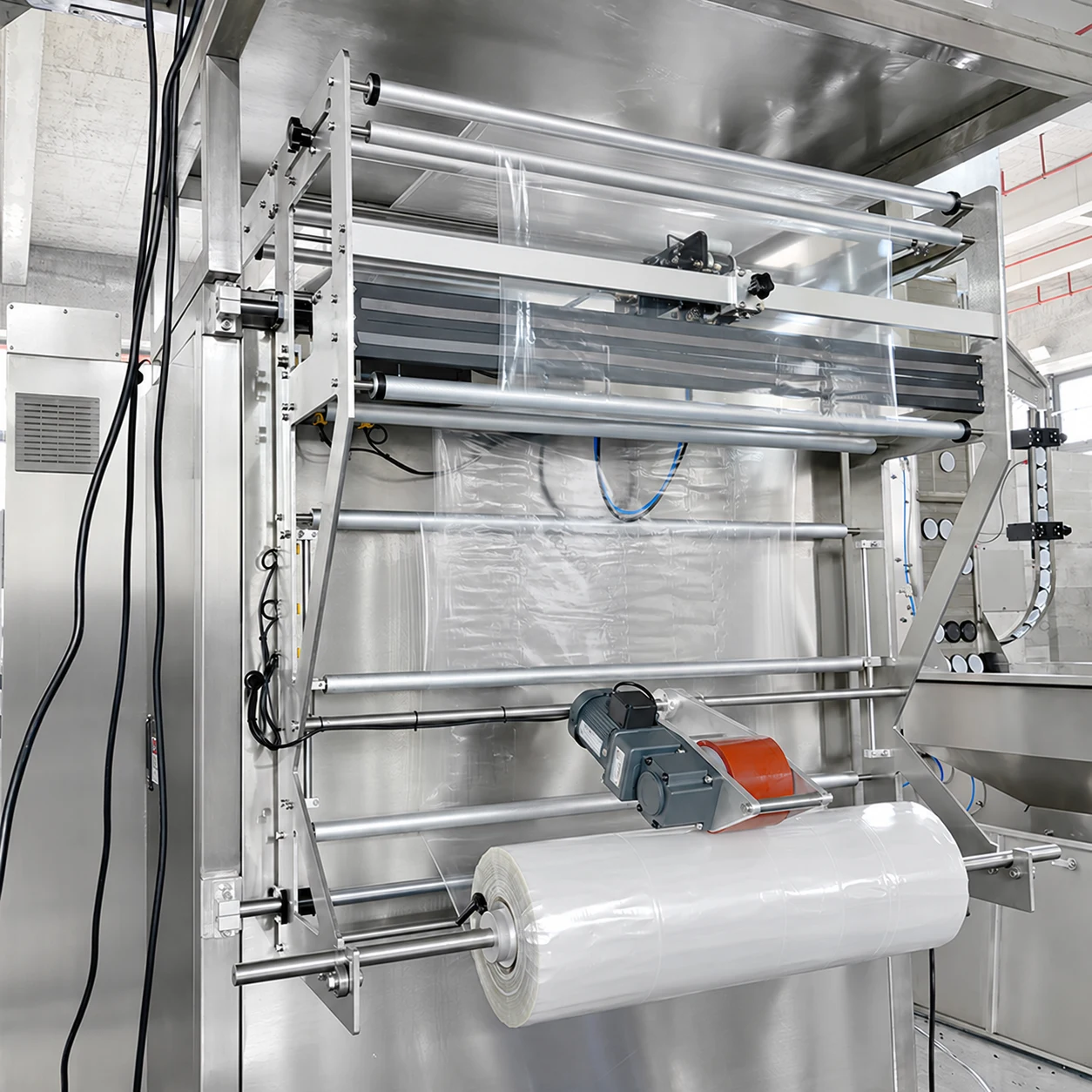
- Film threading and splicing or component loading, depending on the machine
- Clearing jams in cap feeders, pouch magazines or the sealing area with guards and interlocks left in place
- The cleaning sequence for product-contact parts and a check that everything is correctly reassembled
- Shift-start checks such as seal appearance, a sample fill weight from each lane, and air pressure
Wear parts and later support
Agree the list of recommended wear parts before delivery, such as sealing elements, cutting knives and the gaskets in the dosing path, and decide which ones you will hold on site. Put the spare-parts arrangement in the project documents so a routine order does not need renegotiating.
When you raise a support question later, include the machine identification, the settings in use, what changed before the problem started, and photos or short video taken with the guards closed.
Common questions
Is on-site installation included with a filling machine order?
Not automatically. Installation assistance can be remote guidance or an agreed visit, depending on the equipment, the destination and the project terms. Ask for the method, timing, language and cost as a line item in the proposal, and confirm what your own team must have ready before startup begins.
Can a filling machine be commissioned remotely?
Often, if your site is prepared for it. Remote commissioning needs a stable video connection, a person who can film while an operator adjusts, and an agreed way to exchange settings and photos. Agree the working hours and the completion criteria in advance, so both teams know when startup counts as finished.
How long does filling machine operator training take?
It depends on the machine and your team's experience, so no fixed duration applies. A practical test is whether operators can start up, change a recipe, clear a jam, clean and reassemble the product path without help. Agree the session length in the proposal and plan a follow-up if new staff join.
Which spare parts should I keep for a filling machine?
Hold the parts that wear with normal running, typically sealing elements, cutting knives and the gaskets or seals in the dosing path, plus any part whose failure would stop production for long. Ask for a recommended list with the configuration, and agree the ordering arrangement in the project documents before delivery.
Updated: