
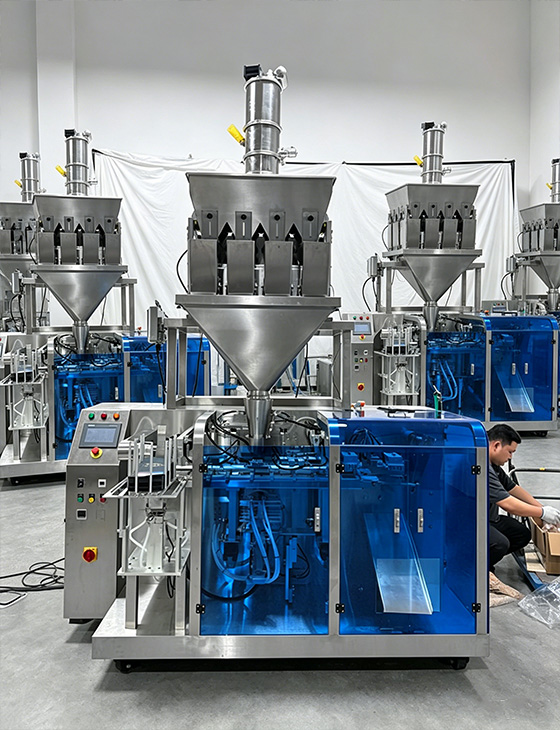
What filling machine sample testing should answer
Filling machine sample testing is worth arranging when one specific risk about your product or pack needs evidence before a configuration is fixed. The review uses your own material and packaging, so it can show how that product feeds, doses and seals in a proposed arrangement. It is not a general capability demonstration, and it does not replace the acceptance check on the machine you eventually order.
Frame the test as a question that ends in a yes, a no or a measured value. For example: does this matcha blend fill a cap cavity without building up on the rim, or does this chili sauce cut off cleanly at the target dose? A question like that tells both sides what to prepare and when the trial is finished.
Failure points a short trial can expose
The most useful sample tests target a known failure mode rather than a general impression of the machine. These are the problems buyers most often want to see on their own product before committing to a dosing method.
- Powder bridging or rat-holing in the hopper, which starves the auger and shows up as underweight packs after several minutes of running
- Drips and stringing from the nozzle after cutoff on viscous sauces, honey or lotions, which land on the seal area
- Seal contamination from powder dust or product film in the jaws, visible as channels, wrinkles or weak spots across the seal
- Particles in a sauce that lodge in a valve or get trapped in the seal
- Cap-cavity overfill, where powder or honey sits above the rim and stops the foil from lying flat
- Foam or entrained air that changes the fill level from one pack to the next
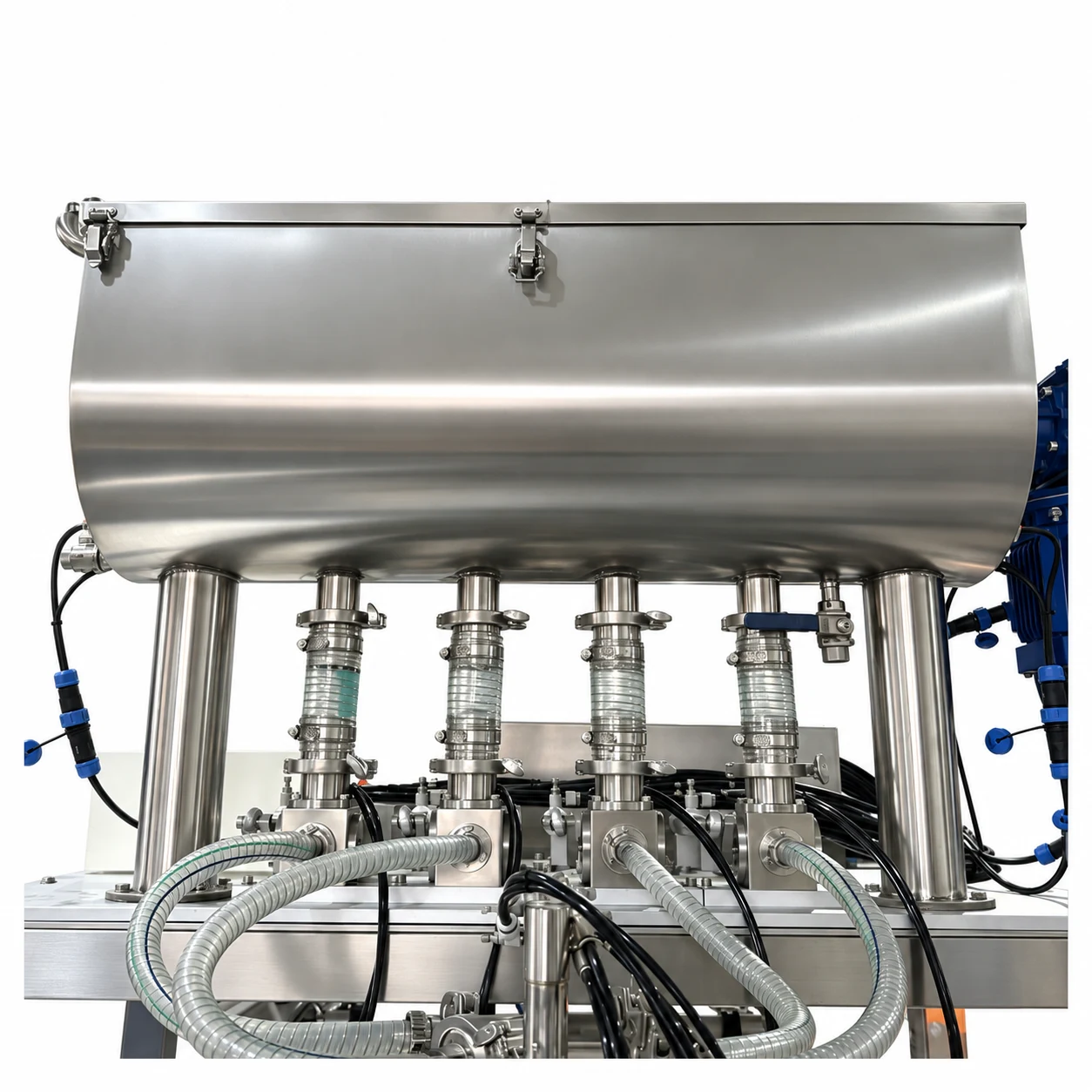
What to send for a representative test
A result is only as good as the material behind it. Send production material, not a retail product taken off a shelf or a lab batch made with different ingredients.
- Production material, or a representative blend labeled with its batch and any differences from production, in enough quantity for a continuous run rather than a handful of doses
- Film, pouches, caps or foil from your intended packaging supplier, since seal behavior depends on the specific laminate or liner
- The target fill with its unit, the filling temperature, and handling notes such as settling, separation or moisture pickup
- A dimensioned pack drawing and a short list of the checks that will decide the project, in order of importance
Agree the scope in writing before shipping
Confirm receiving instructions, quantity, handling constraints, timing and any charges in writing before material leaves your site. A message asking about a trial does not book one, and it does not confirm that a suitable setup is available for your product. Settle who arranges freight, customs paperwork and any documents needed for regulated materials at the same time.
Also agree what will be measured, how many packs will be sampled, and which photos or video will be recorded. Deciding this after the run often produces a result that answers a different question from the one you asked.
Measurements worth asking for
Ask for measurements you can later compare with your own acceptance criteria. Net fill weights should come from a stated scale, with the tare method and the number of packs recorded. On multi-lane equipment, keep samples separated by lane so that one weak lane is not hidden inside an average.
For seals, a visual check of the seal area plus a squeeze check on a stated number of packs says more than a single photograph. For cap cavities, record fill height against the rim and whether the foil lies flat. When the powder is hygroscopic, note the room temperature and humidity alongside the weights.
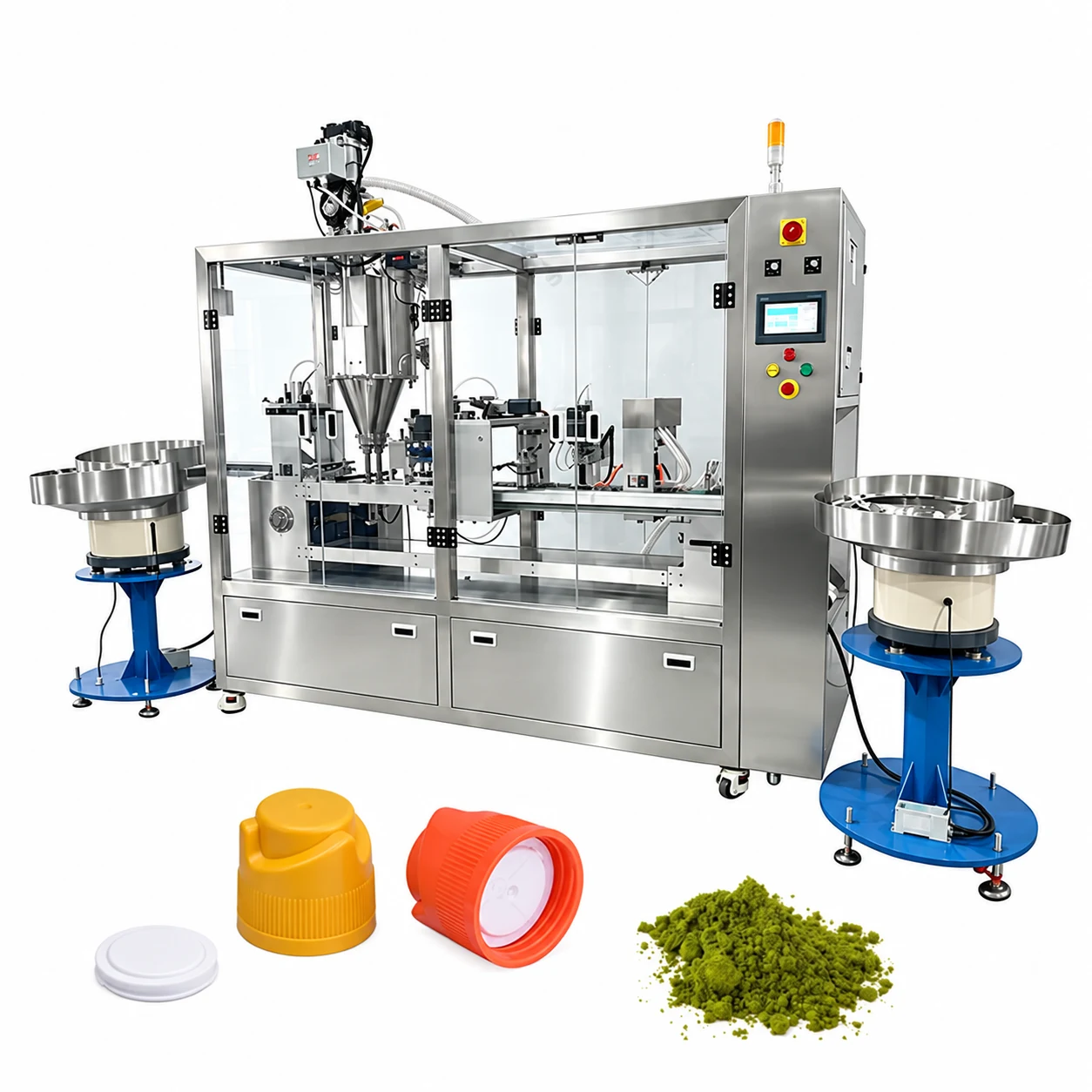
Reading the result and its limits
A useful report names the product batch and packaging tested, the setup and settings used, the measurements with their method, and the questions still open. A short run with limited material shows feasibility. It does not establish long-run output, shelf life or regulatory compliance.
Carry the settings, materials and observations into the written proposal, so the quoted configuration can be traced to what was actually tried. If the trial raised a new question, such as a second product or a different film, list it as an open item instead of assuming the first result covers it.
Common questions
How much product should I send for a filling machine trial?
Enough for a continuous run, not a few test doses, because problems such as powder bridging or nozzle drips often appear only after several minutes. The right amount depends on the dose, the pack size and the dosing method, so agree the quantity in writing before shipping. Too little material usually makes the trial inconclusive.
Can a sample test show whether my powder will bridge in the hopper?
It can give an early indication if the test runs long enough with your real blend under realistic room conditions. Ask for fill weights recorded over the run rather than a few spot checks, since bridging usually shows up as a gradual drift toward underweight packs. Humid conditions and fine, cohesive blends deserve particular attention.
What should a filling sample test report include?
The product batch and packaging used, the setup and settings, the measurements with their method and sample size, photos of the finished packs, and any unresolved questions. Weights from multi-lane equipment should be listed by lane. Without the method and conditions, the numbers cannot be compared with your acceptance criteria later.
Is there a charge for filling machine sample testing?
Any charges, along with the quantity, timing and receiving arrangements, are agreed in writing for each project before you ship material. Nothing on this site sets a standard fee or promises a free trial. Send your project brief first so the team can say whether a physical trial would answer your question at all.
Updated: