
Price a defined configuration, not a machine category
An automatic filling machine price is meaningful only when the equipment scope is clear. A compact sachet machine, a premade-pouch filler and a line with feeding, inspection and downstream packaging solve different tasks. Even machines with similar external dimensions can contain different dosing systems, contact parts, controls and tooling. Start a price comparison with a shared product and packaging brief so that each proposal answers the same production requirement.
Separate a preliminary budget from a configuration-specific quotation. A budget can help decide whether to investigate a project; a quotation should identify the equipment, included options, exclusions and commercial assumptions. Record the quotation date and revision, and keep the drawings that support it. When a supplier revises a price, ask which technical or delivery assumptions changed. Without that record, a lower total may simply reflect an omitted module or a different pack format.
Product behavior determines the dosing scope
The material to be filled influences what must be included around the dosing unit. For sauces, discuss viscosity at filling temperature, suspended pieces and whether the product needs agitation or temperature control. For powder, identify flow behavior, dust and how the hopper will be replenished. For granules or dried foods, review weighing, transfer height and potential breakage. These details help distinguish necessary equipment from options that do not serve the project.
Ask the supplier to describe the proposed contact parts and dosing arrangement in writing. A price for an auger assembly is not directly comparable with a quotation that also includes its feeder, extraction connection and product-contact change parts. Likewise, a weighing and bagging installation may require a platform and product elevator that are absent from a standalone machine price. Build the comparison around the complete path the material follows, including the interfaces with equipment you already own.
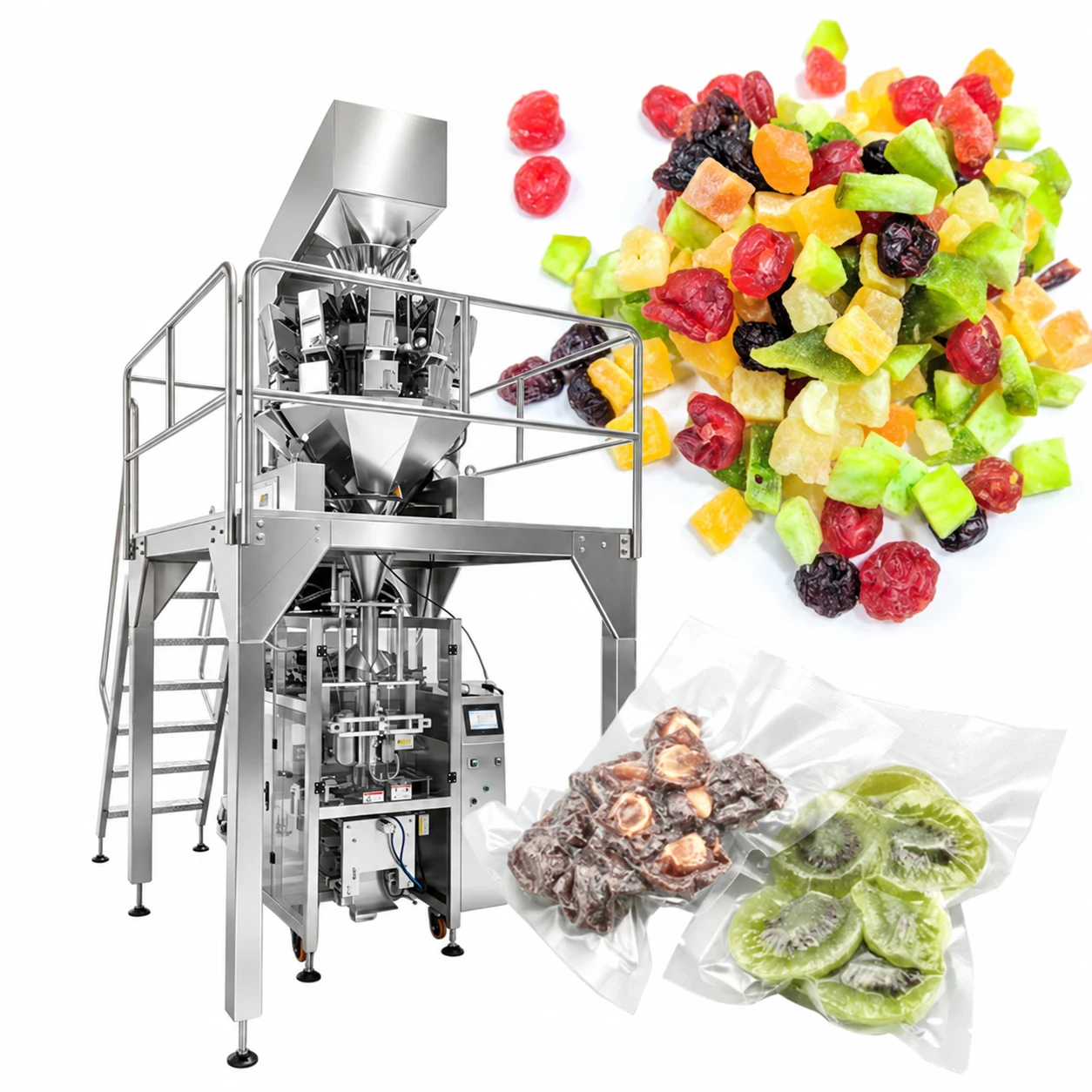
Pack dimensions and format changes affect tooling
List the pack sizes you need at startup and the formats you may add later. A quotation should distinguish the included forming parts, guides, nozzles or holding fixtures from additional format sets. For film-based packaging, confirm film width, pack length, seal layout and registration requirements. For a premade pouch or dosing cap, specify the opening and handling interfaces. Final drawings matter because apparently small packaging changes can affect machine parts.
Do not assume that an adjustable range includes all the tooling required within that range. Ask which adjustments are made through settings, which need mechanical repositioning and which require replacement components. If several products share a format, clarify whether separate contact parts are planned for cleaning or ingredient segregation. Include the time and resources required to establish each recipe. This turns a broad flexibility claim into a list of useful, priced capabilities.
Capacity options need a production schedule
Higher output requirements can change the number of lanes, the feeding arrangement, inspection capacity and downstream equipment. First calculate the acceptable packs needed within the time actually available for production. Identify planned product changes, packaging replenishment and cleaning periods. A short burst rate on an individual machine is not a substitute for this schedule. Share the priority format because the largest and smallest packs may place different demands on the same system.
Request separate options when future demand is uncertain. One option might cover the current product mix, while another adds capacity or a second format. Ask what can be upgraded later and what would require a different machine foundation. Compare the additional cost with a documented scenario, rather than assuming every extra lane will be productive from the first day. An investment decision is easier to review when the expected output and the assumptions behind it are visible.
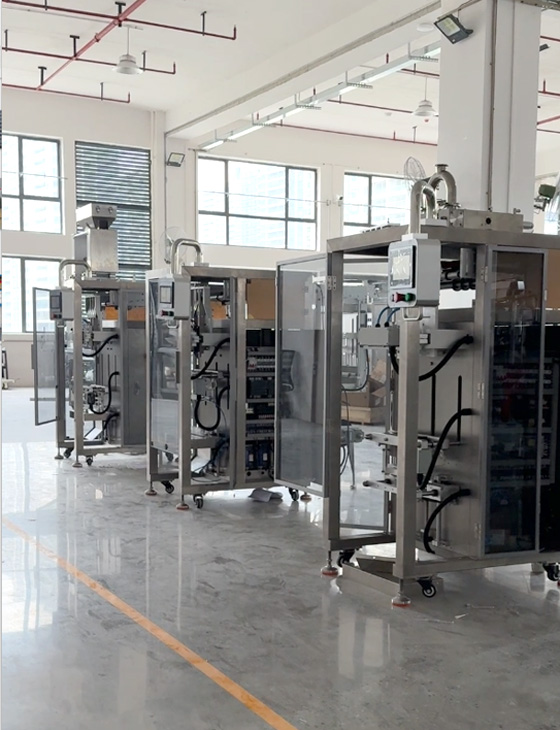
Compare the complete line boundary
Draw a boundary around the supplier's scope, from the first incoming connection to the final discharge point. Then list the equipment and work outside that boundary. Product preparation, transfer pumps, conveyors, coding, inspection, collection and secondary packaging may be separate responsibilities. A project with several suppliers also needs a named party to coordinate heights, timing, control signals and handoffs. Leaving that coordination unassigned creates uncertainty in both the budget and the installation plan.
Use a comparison sheet that records included, optional, excluded or awaiting confirmation for every item. Enter the supplier's actual description rather than a single yes-or-no tick. For example, an included printer still needs its printing method, mounting arrangement and integration scope clarified. Check which drawings, electrical documents, operating instructions and spare-part lists will be supplied. Complete documentation is part of a usable delivery and should be considered before the purchase decision.
| Quotation item | What to record |
|---|---|
| Core machine and dosing | Selected process, product range and agreed pack format |
| Tooling and options | Included format sets, inspection, coding and feeding modules |
| Site and integration | Utilities, transfers, controls and installation responsibilities |
| Support and delivery | Training scope, spare parts, transport and exclusions |
Include the work needed at your factory
The machine quotation may not cover preparation of the installation area. Ask your site team to review access, floor space, loading arrangements, electrical supply and compressed air. Include any extraction, vacuum or temperature-control service required by the proposed configuration. A utility connection shown on a brochure is a starting point; the project drawing should describe the actual connections and operating conditions for the selected equipment.
Also plan where packaging reels, empty pouches, ingredients and finished goods will be stored during production. Consider how operators will load materials and remove parts for cleaning. If existing conveyors or inspection stations will be reused, check their interfaces before approving the layout. Assign a cost owner to each site task and track it separately from the equipment price. This makes the total project budget more useful to the people preparing the factory.
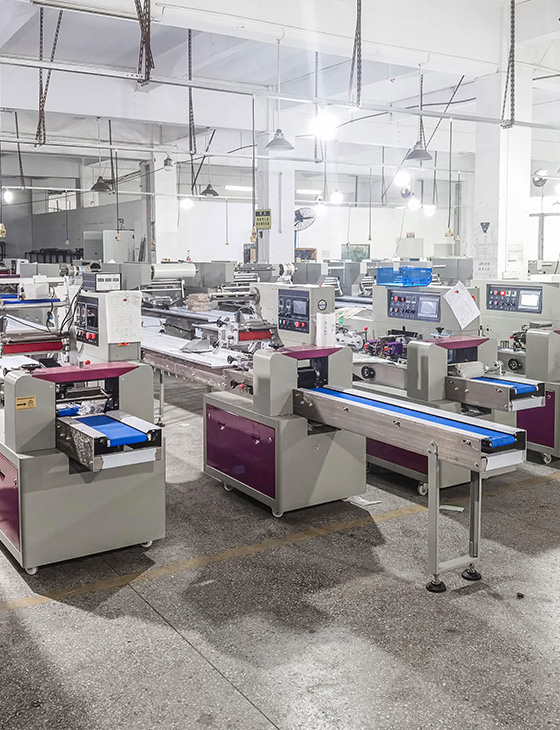
Build a cost view beyond the purchase invoice
OEM Magazine's report on the OpX Leadership Network's total-cost-of-ownership tool describes an equipment assessment that includes acquisition, operation and maintenance. Total cost of ownership, meaning the purchase price plus the cost of operating and maintaining the equipment over its service life, provides a useful framework for a filling project: record the initial investment alongside the recurring resources needed to make acceptable packs. Keep estimates separate from measured information so the team can see where further evidence would change the decision.
For your own comparison, choose the same planning period, production volume and product mix for every option. Record staffing, utilities, wear parts, maintenance access, cleaning resources and expected packaging consumption. Ask the operations team to review the assumptions. A spreadsheet with precise currency figures can still be misleading if one option assumes uninterrupted operation and another includes normal changeovers. Update the comparison when a sample assessment, layout review or revised proposal resolves an uncertain item.
Calculate product and packaging losses explicitly
Product giveaway is one useful item to examine with your own production data. Consider a hypothetical operation making 40,000 packs per day with an average fill 0.3 grams above its internal target. The additional material is 12 kilograms per day: 40,000 multiplied by 0.3 grams, divided by 1,000. Multiplying that quantity by your ingredient cost gives a material-cost estimate. This is an illustrative calculation, not a prediction for a particular filler or a recommendation to change release limits.
Track rejected packs and startup waste separately so that costs are not counted twice. For each loss category, decide whether the product can be recovered, whether the packaging is discarded and what handling work is required. Use observed data where available, and label estimates when evaluating a new process. The comparison should show how a change in a few important assumptions affects cost, rather than promise a fixed saving without a production basis.
Clarify installation, training and ongoing support
Request a written description of installation and training responsibilities. Identify the delivery location, site preparation expected before arrival, equipment required for unloading and the proposed commissioning activities. If remote or onsite assistance is offered, clarify what is included and which travel or local costs are separate. Record the documents and language needed by operators and maintenance personnel. Do not infer a service commitment from a general statement on a website.
Ask for a proposed spare-parts list linked to the actual configuration, with part identification and ordering information. Discuss how machine settings, drawings and control backups will be handed over, where applicable. Before comparing delivery totals, confirm packaging for shipment, transport responsibilities and any excluded local costs with the parties responsible for them. The objective is a complete project estimate with known boundaries, not a price assembled from assumptions about who will do the remaining work.
Prepare an inquiry that produces a useful quotation
Send one organized brief to the equipment team. Include the product and its filling condition, target amount and unit, packaging dimensions, required acceptable output, additional formats, installation location and available utilities. Attach photographs or drawings and state whether samples are available. Identify existing equipment that must remain in the line. Mark essential requirements separately from future options so the proposal can explain the cost of each decision.
When the quotation arrives, review technical scope before negotiating the total. Resolve missing items, confirm the acceptance approach and keep open questions in a short action list. Use the same list when comparing a revision or an alternative configuration. You can begin that process through our project inquiry link with the details you currently have. A clear brief helps the conversation move from a generic machine price to an equipment proposal that your production and purchasing teams can assess together.
Common questions
How much does an automatic filling machine cost?
There is no single price, because cost follows the configuration. The main drivers are the dosing process, pack format and format tooling, required output and lane count, feeding and inspection modules, integration with other equipment, and delivery scope. A meaningful figure needs those assumptions written down, which is why a budget estimate differs from a configuration-specific quotation.
How do I compare filling machine quotations fairly?
Put every quotation on the same line list. For each item, including equipment, options, format sets, site work, utilities, installation, training, spare parts and delivery, record whether it is included, optional, excluded or awaiting confirmation. A lower total can simply reflect an omitted module or a different pack format, so compare scope before price.
What costs does a filling machine purchase involve beyond the invoice?
Budget for site preparation, utilities, installation and training, format parts, wear and spare parts, staffing, cleaning resources, and product and packaging losses. Product giveaway alone adds up: in this guide's hypothetical example, a 0.3 gram overfill on 40,000 packs a day equals 12 kilograms of product daily. Use the same planning period and product mix for every option.
Updated: